
What indefinite leave to remain means
Indefinite leave to remain — ILR, also called settlement — is permission to live in the UK with no time limit and no sponsor. You can work for anyone, study, and come and go without a visa. It is normally the step before British citizenship.
It is not automatic and it does not arrive by itself. You apply, you evidence it, and you have to be eligible on the day you apply.
The routes to settlement
Which route you are on decides how long you wait, more than anything else you can control.
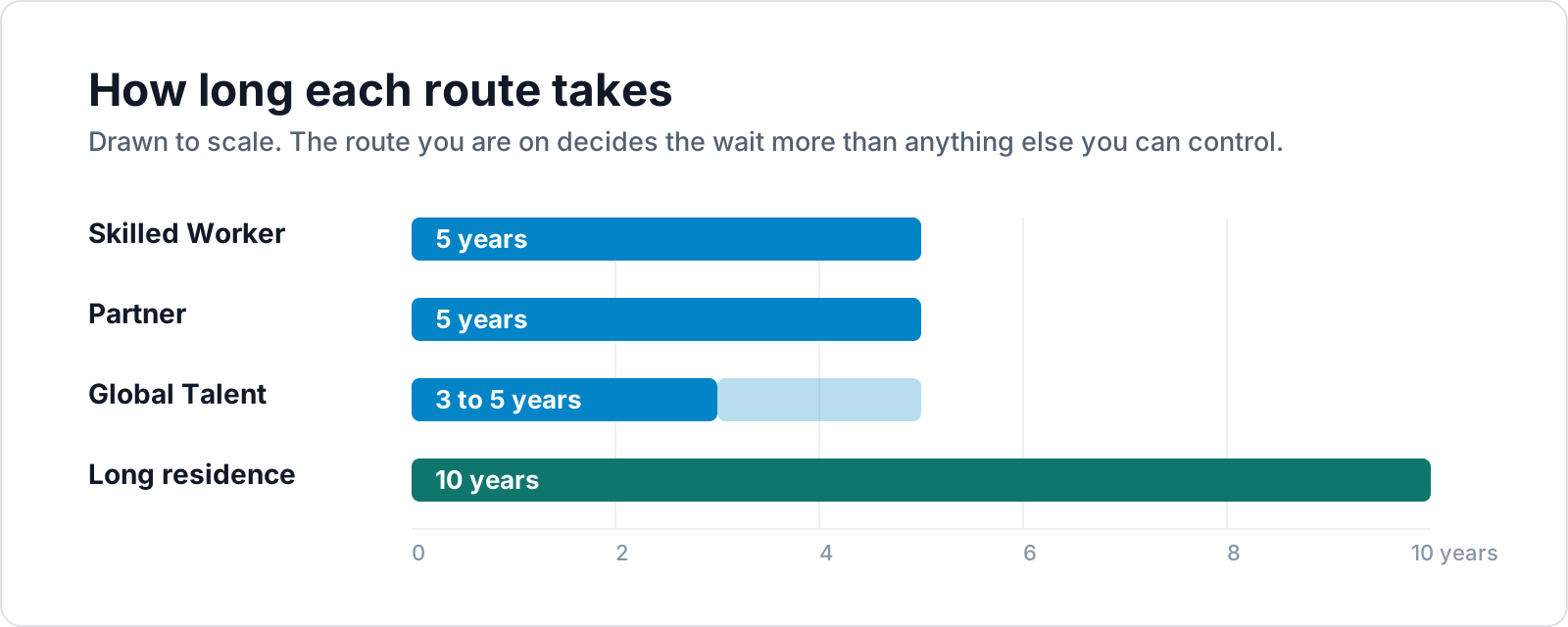
Work routes. Skilled Worker, Health and Care Worker, Scale-up and similar routes lead to settlement after a qualifying period on the route, provided you are still sponsored and still meet the salary requirement when you apply.
Partner route. Living in the UK as the partner of a British citizen or someone settled here leads to settlement after the qualifying period, with financial and English language requirements throughout.
Global Talent. Endorsed leaders and potential leaders in academia, arts and digital technology can reach settlement more quickly than most routes, depending on the endorsement.
Long residence. Ten years of continuous lawful residence, whatever permission you held during it. This is the route for immigration histories that do not fit one box.
Continuous residence — the requirement that catches people
Every route above carries a continuous residence requirement, and it is where most avoidable refusals come from.
Two things matter:
- How long you have spent outside the UK. Limits apply across a rolling period, not per calendar year.
- Whether you always held permission. Gaps between one visa and the next are not counted, and depending on the circumstances may or may not break continuity altogether.
Neither is obvious from a passport full of stamps. The calculators on this site work it out from your own dates and show which rule produced the answer.
Life in the UK and English language
Nearly every settlement route requires you to demonstrate:
- Knowledge of life in the UK, normally by passing the Life in the UK test
- English language at the level set for settlement
There are exemptions — by age, and on medical grounds among others. Check whether one applies to you rather than assuming it does not.
ILR or British citizenship?
They are different things and they come in order. ILR removes the time limit on your stay. Citizenship makes you British, with a passport and the right to vote, and normally requires a period of settled status first.
Most people need ILR before citizenship becomes a question worth asking.
What is changing
The Government has consulted on replacing the current framework with an Earned Settlement system. As at the date on this page it is proposed and not law — no Immigration Rules have been laid before Parliament, and the existing routes continue as they are.
Because it would change qualifying periods for a large number of people, we track its status separately rather than folding it into route guidance that has to stay accurate today.
Work out your own date
Settlement is a date, not a feeling, and it is calculable. Pick the route that matches your situation — long residence, Skilled Worker or the partner route — and the calculator will apply the current rules to your own visas and trips — and show you the rule behind each figure.
Before you rely on this
VisaXplain is not a law firm and does not give immigration advice. This page explains published rules and links to the official guidance. It cannot tell you what to do about your own case. Take advice from a regulated adviser before you act.