
Studying in the UK
Almost everyone coming to the UK to study on a course of any length needs a Student visa, and almost every Student visa depends on two things: an offer from a licensed education provider, and evidence that you can pay for the course and support yourself while you are here.
What happens after the course is a separate question, and one worth answering before you arrive rather than in your final term.
The Student visa
You will need a Confirmation of Acceptance for Studies (CAS) from your provider. It is an electronic record, not a document you carry, and it ties your visa to that course at that institution.
Alongside it you must show:
- Money for the course and for living costs, held for a set period before you apply
- English language ability at the level your course requires
- That you meet the suitability requirements
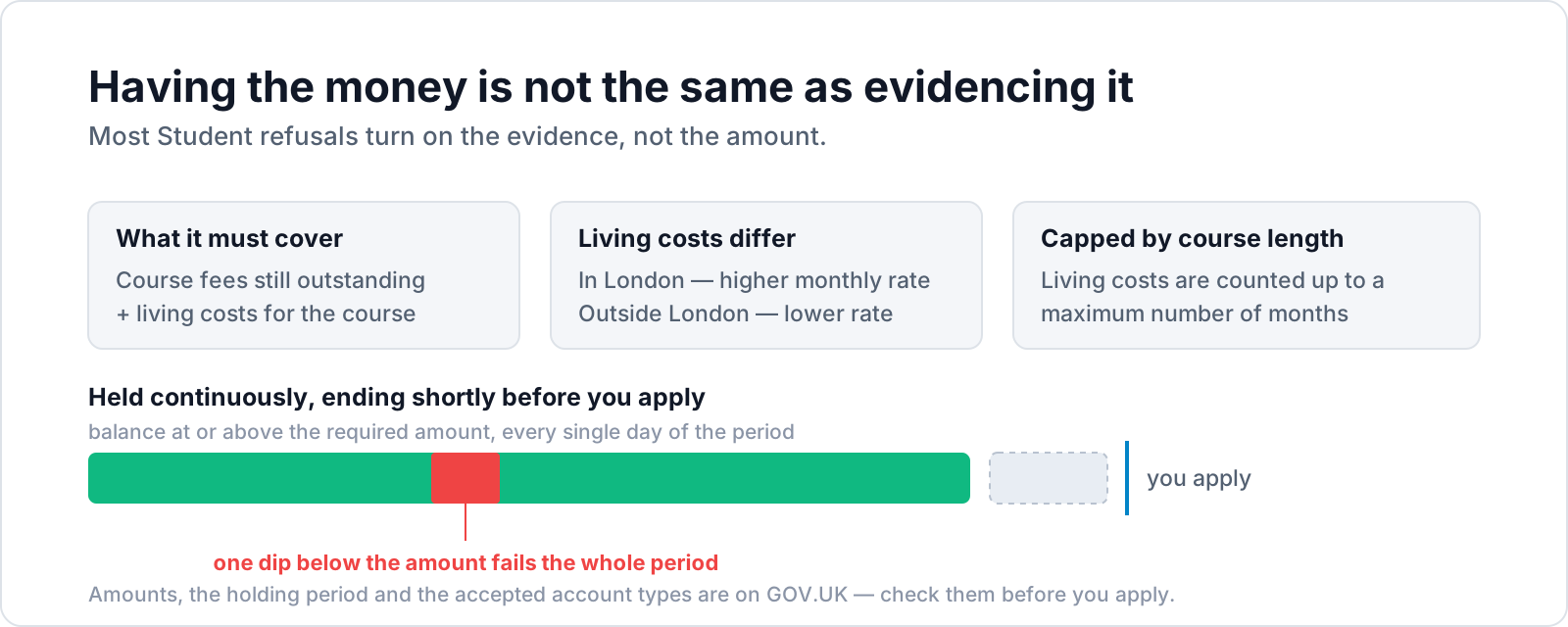
The financial requirement is where most refusals on this route come from — not because the amounts are unreachable, but because the evidence has to satisfy rules about whose account, what kind of account, and how long the money has been there. Having the money is not the same as being able to evidence it.
The Student visa calculator works out the figure that applies to your own course length and location, and shows the rule behind it.
Working during and after your course
A Student visa normally allows limited work during term time and fuller hours during vacations, with restrictions on the kind of work you may do. Check the conditions attached to your own grant rather than assuming — they differ by course level and provider.
The Graduate route
The Graduate route lets you stay on after successfully completing an eligible course. It is unsponsored: no job offer, no employer, no salary threshold. You can work, look for work, or be self-employed.
Two things matter about it:
You must apply from inside the UK, while you still hold your Student visa. Once that permission ends, the route is closed to you. This is the single most common way people lose access to it — leaving the country before applying, or letting the Student visa expire first.
It does not lead directly to settlement. The Graduate route is a bridge, not a destination. Time on it counts towards the ten-year long residence route, but it does not itself lead to indefinite leave to remain.
How long it lasts depends on your degree level, and the position for non-doctoral graduates has been subject to change. Check the current grant length on GOV.UK before planning around it.
What usually comes next
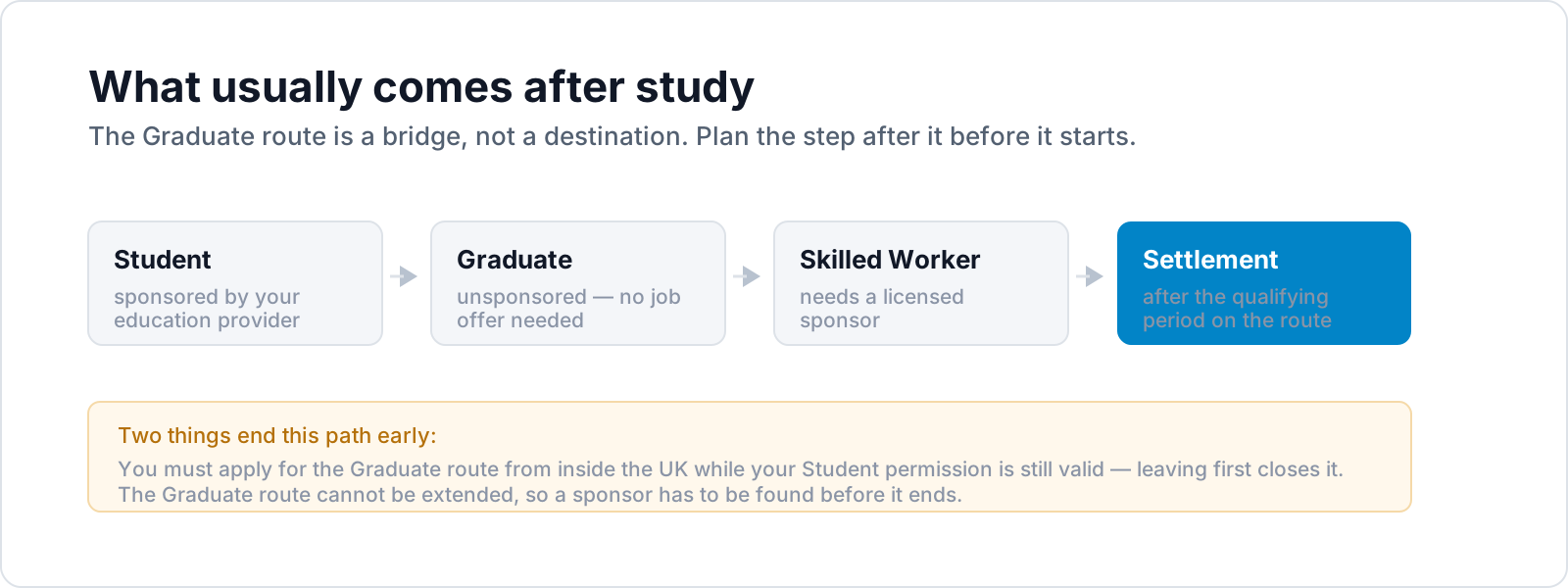
The common path is Student → Graduate → Skilled Worker. The Graduate route gives you time in the UK labour market without a sponsor; a Skilled Worker visa needs one, and needs the job to meet the salary and skill requirements for your occupation.
If that is the plan, start looking for a sponsoring employer early in the Graduate period rather than at the end of it. Sponsorship takes time on the employer's side, and a Graduate visa cannot be extended.
Does study time count towards settlement?
Yes, towards the ten-year route — time held lawfully on a Student or Graduate visa counts as part of continuous residence. It does not count towards the five-year work routes, which require time on that route specifically.
For anyone who arrived as a student and stayed, this often makes the ten-year route the realistic path to settlement. See Settle in the UK.
Before you rely on this
VisaXplain is not a law firm and does not give immigration advice. This page explains published rules; it is not a decision on your case. Maintenance amounts, course requirements and grant lengths change — check GOV.UK for current figures, and take advice from a regulated adviser before you act.
AVAILABLE STUDY IN THE UK ROUTES
Study in the UK Updates & Policy Breakdown
No published updates for this category yet.